Great Migration Month by Month
Where herds are usually found through the year and why exact movement still depends on rainfall.
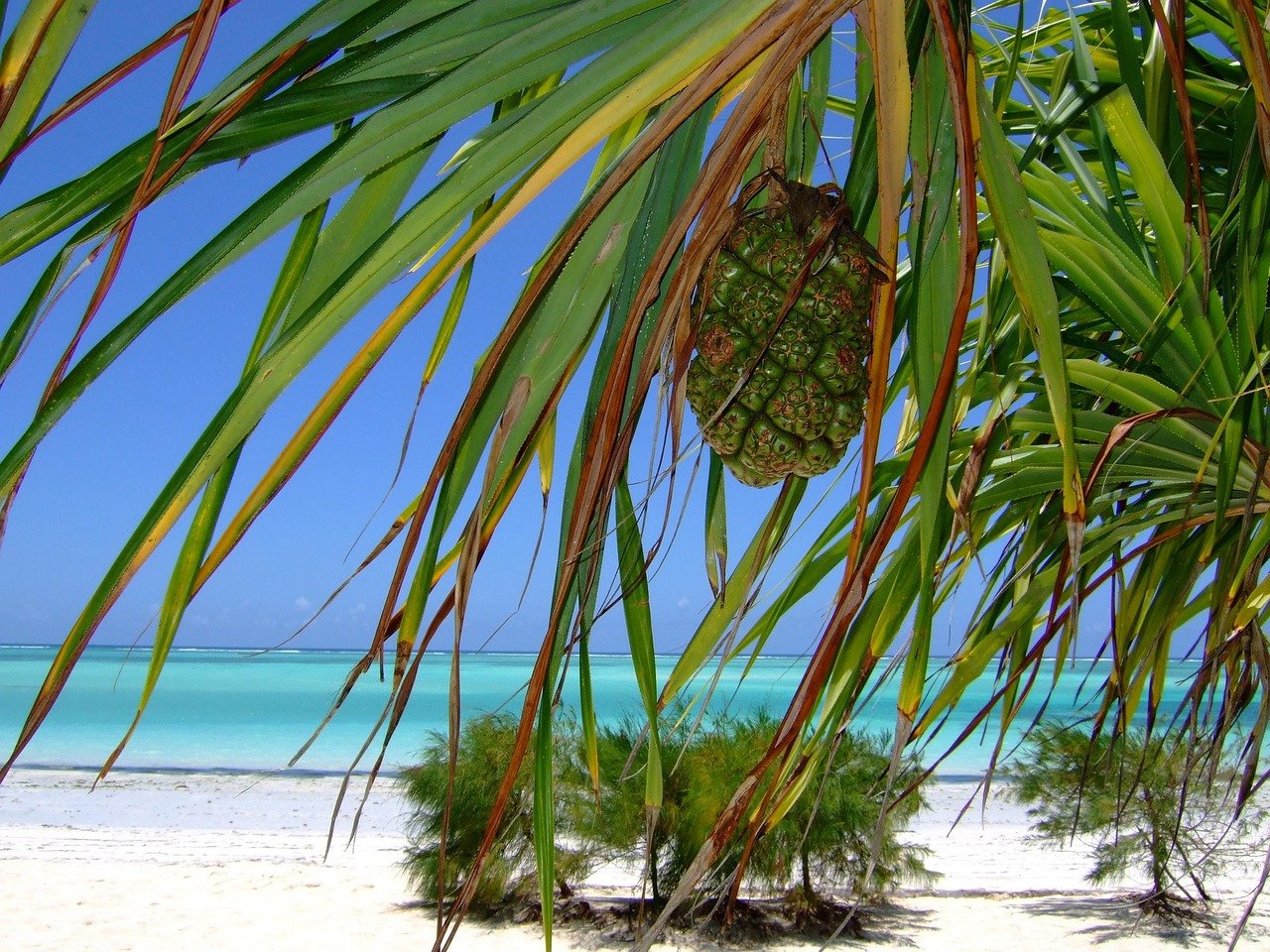
Safari planning gets easier once you separate the things you can choose — route, pace, accommodation and vehicle style — from the things you cannot control, such as rain and where a particular animal will be on a given morning.
Where herds are usually found through the year and why exact movement still depends on rainfall. This guide focuses on the decisions that make a practical difference rather than filling the page with generic travel slogans.
The herds do not follow a calendar
Rainfall and fresh grass influence movement, so no operator can promise an exact herd location months in advance. Seasonal planning improves probability; it does not control wildlife.
Southern plains and calving
Around January to March, many itineraries focus on Ndutu and the southern Serengeti ecosystem. This period is known for concentrated herds, newborn calves and active predators.
Western and northern movement
As the dry season develops, migration routes often shift west and then north. Mara River crossings are most associated with the northern Serengeti season, but crossings are unpredictable events, not scheduled shows.
Questions worth asking your tour operator
- What changes if weather or wildlife conditions make the original plan unrealistic?
- Which costs are fixed and which can still change before travel?
- Who is the local contact while I am in Tanzania?
- How much road time is expected on the longest day?
- What should I verify independently before flying?
Need advice for your dates?
Tell us when you are traveling and what matters most to you. We can turn the general advice above into a route that fits your actual flights, group size and pace.
Plan This Experience
Tell us your dates, group size and travel style. We will help you shape a practical Tanzania itinerary.
Related Trips & Guides
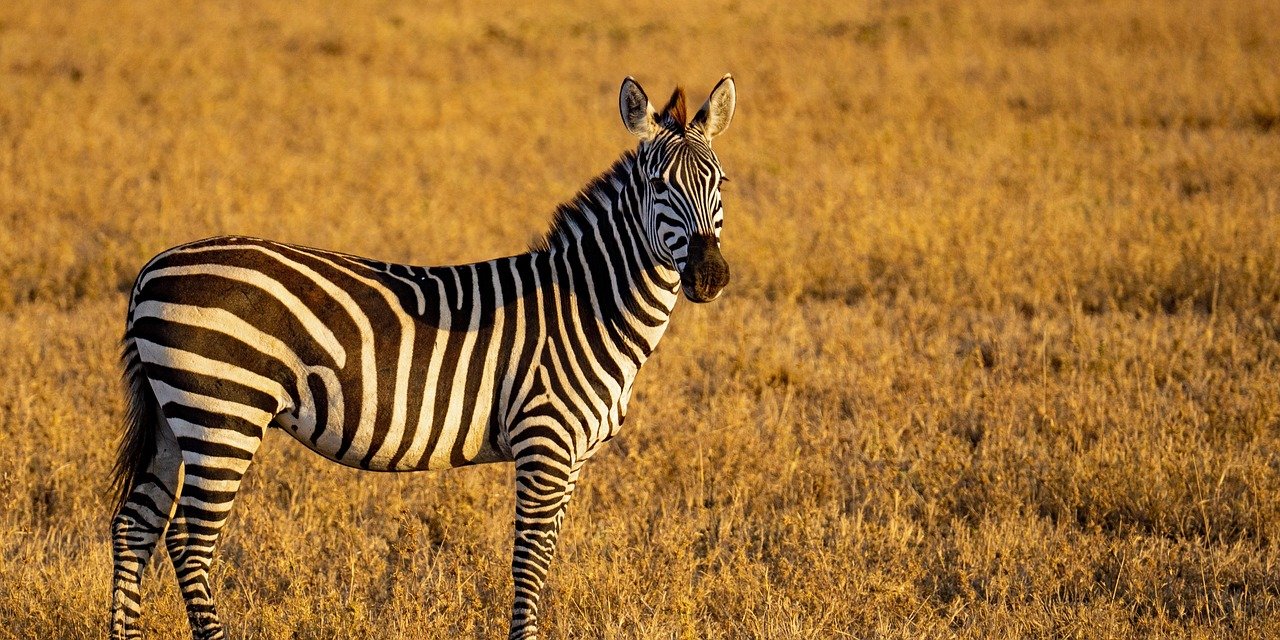
Tanzania Safari Guide: How to Plan Your First Trip
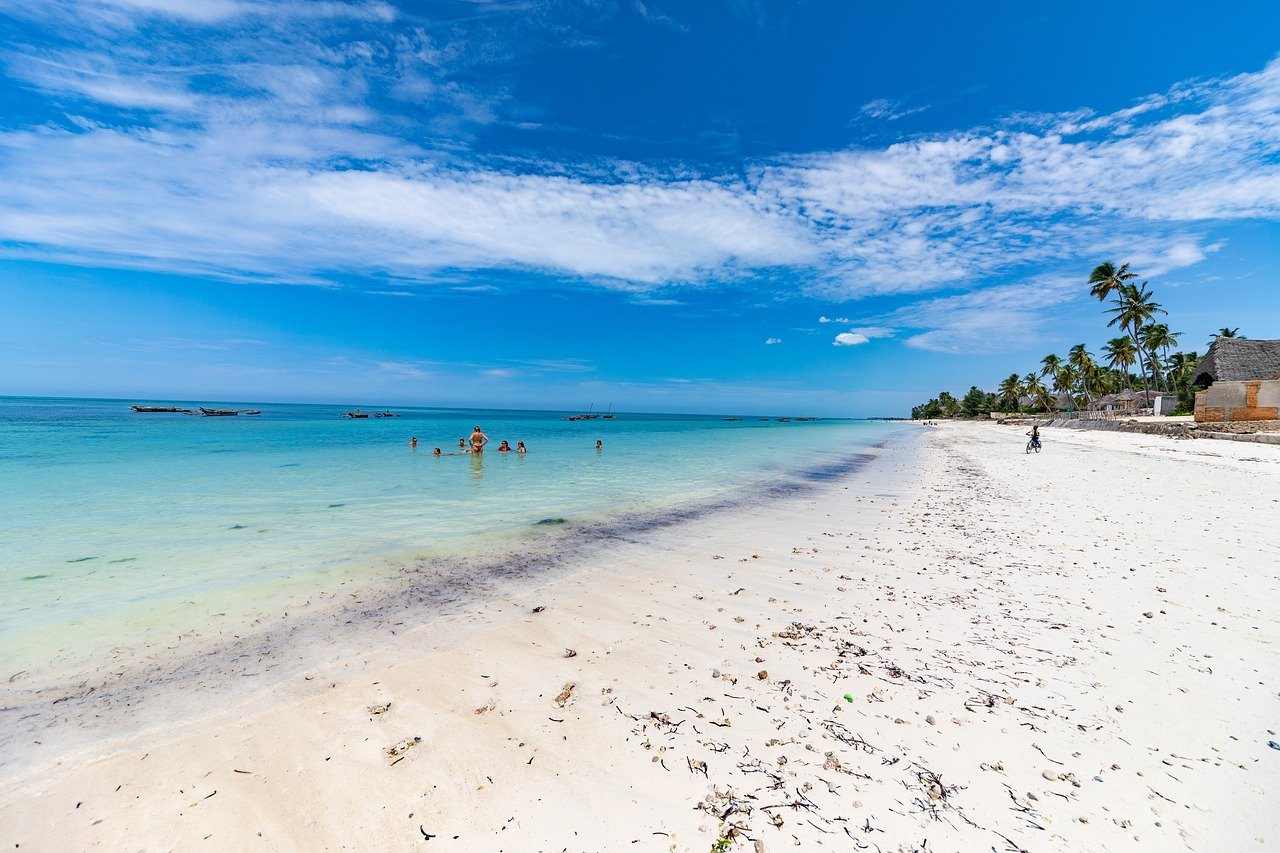
How Much Does a Serengeti Safari Cost?